How Quickly Can A Lifebuoy Ring Be Deployed During An Emergency?
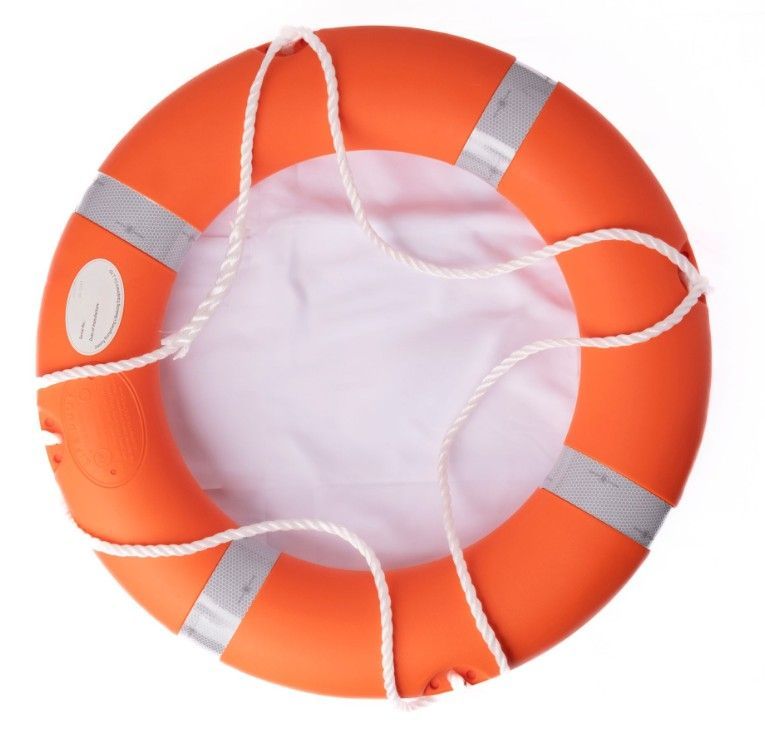
When a man-overboard (MOB) incident occurs, the speed of the Lifebuoy Ring deployment is the most critical factor in the survival chain. A Lifebuoy Ring must be deployed immediately because marine emergencies leave no room for delay, as a person in the water can quickly drift away from the vessel due to currents or succumb to cold shock. At SeaOnBag, we analyze the mechanical and human elements of maritime safety to reduce response times and maintain peak readiness on every deck.
Response Time Considerations in Marine Emergencies
The first ten seconds after the "Man Overboard" alarm goes off are often very important for a successful rescue. The Lifebuoy Ring must be easy to get to so that it can be released by hand right away. Those seconds are lost if a device is tied too tightly or blocked by cargo. We think that deployment should happen within five seconds of seeing the casualty. This calls for a mix of strategic mounting and equipment that is easy to find, even in low light or heavy spray.
Accessibility and Mounting Placement
The speed of the response depends on where the buoy is placed. We recommend putting units on both the port and starboard sides, preferably close to the bridge wing and aft deck. The crew can throw the device toward the victim from these places without having to go through tight spaces or around heavy machinery.
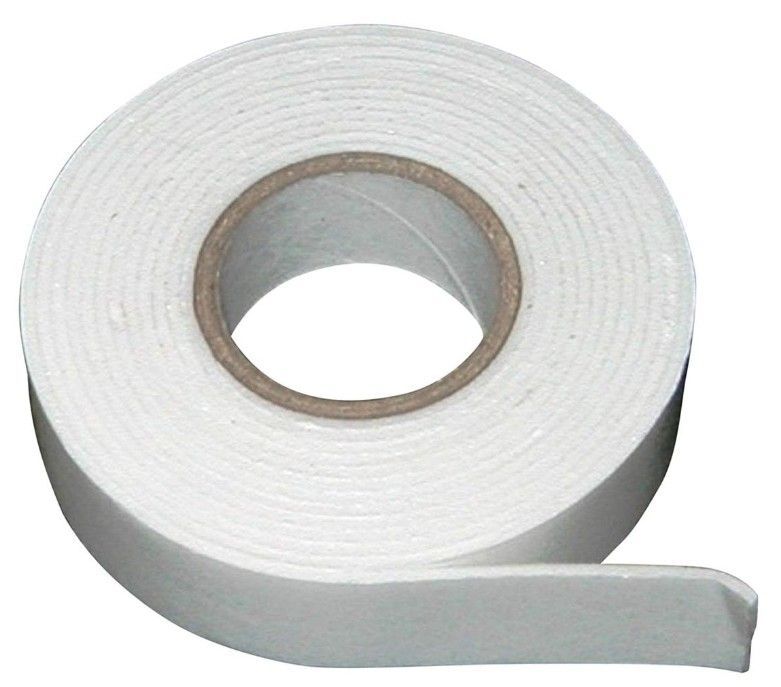
In many places where goods are shipped by sea, deck space is shared with different types of sealing materials, such as hatch cover tapes. These Hatch Cover Tapes are very important for keeping the boat watertight, but you should never store them in a way that makes it hard to get to emergency stations. The most important things for a quick deployment are clear signs and walkways that are not blocked.
Factors Affecting Deployment Speed
Several variables can either accelerate or hinder the rescue process. Our technical team identifies the following as the primary influencers of speed:
- Quick-Release Brackets: Utilising gravity-fed or spring-loaded brackets instead of manual ties.
- Weight Calibration: A standard 2.5kg ring is ideal for throwing, while a 4kg version is often required for activating smoke and light signals.
- Line Management: The grab line must be coiled correctly to prevent tangling during the flight path.
- Crew Drill Frequency: Muscle memory developed during monthly drills reduces hesitation during a real crisis.
Throw Techniques and Precision
Without accuracy, speed is useless. We tell the crews to throw the Lifebuoy Ring up-current of the person in the water. This lets the water move the buoy toward the person who needs help instead of away from them. The "underhand lob" is still the best way to hit the ball short to medium distances because it gives you the most control over the path it takes.
Protecting the materials from damage is also part of proper storage. Like Under tapes, which need to stay dry and sticky to work as seals, the ring's buoyant material needs to be protected from constant UV exposure, which can make it brittle. We check the shelf life of under tapes for hatch maintenance, and we also need to check the buoy's physical shell for cracks that could let water in and make it less buoyant.
Compliance and Maintenance Checks
The SOLAS (Safety of Life at Sea) rules are the basic rules we follow to keep everyone safe. To make sure that every Ring is safe, it must go through a strict inspection schedule. A device that does not float or gets stuck in its bracket is a problem.
Routine Maintenance Checklist
- Visual Inspection: Check for fading of the retro-reflective tape; visibility is key for night rescues.
- Weight Verification: Confirm the buoy has not absorbed water, which would increase weight and decrease buoyancy.
- Attachment Check: Verify that the self-igniting lights and smoke signals are within their expiration dates and firmly attached.
- Grab Line Integrity: Inspect the rope for rot or fraying that could cause it to snap during a retrieval.
Lifebuoy Rings vs. Other Flotation Devices
The buoy Ring is faster and more reliable than life jackets or inflatable throw bags when it comes to deployment. To use a life jacket, the person must already be wearing it, and in high winds, it can be hard for a tired person to grab throwbags. The buoy's rigid structure gives the injured person a stable place to rest their arms and chest, keeping their airway clear of the water surface without needing to inflate it.
Technical Specifications and Procurement
To keep safety standards high, you need to choose equipment that is made for the tough marine environment in the United Arab Emirates. Our products are made to last even in very high salt levels and very high temperatures without losing their shape.
Please visit the SeaOnBag product page to see the full technical specifications and certification information for our lifebuoy ring. Today, taking the time to look over your deck layout and make sure your equipment is ready can save lives tomorrow.