Analyzing the Biomechanics and Weight Dynamics of Seaonbag Man Overboard Training Dummies
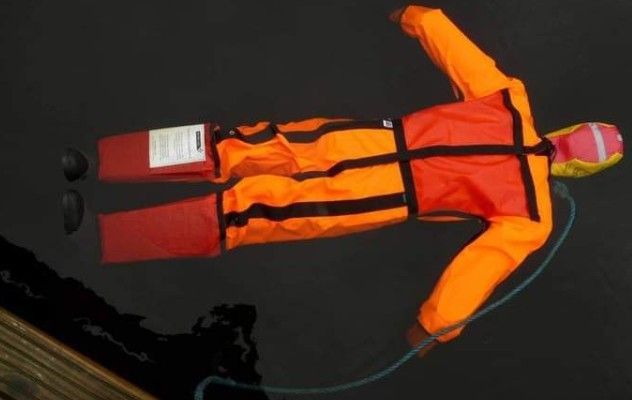
In maritime safety drills, realistic simulation tools are critical for building procedural accuracy. We analyze the physical characteristics and handling behavior of water-rescue practice devices available at Man Overboard Training Dummies, focusing on size categories, weight distribution, buoyancy patterns, and operational considerations. We aim to interpret how these variables influence retrieval mechanics, crew coordination, and vessel maneuvering. We also consider how manufacturers structure these models to replicate human mass behavior without compromising durability. This discussion includes insights relevant to instructors, offshore operators, and safety planners in the United Arab Emirates while acknowledging operational references commonly cited by Seaonbag in broader equipment logistics planning.
Understanding Dimensional Categories and Their Operational Purpose
When we look at size classifications, we usually see small, medium, and full-size units. Each category has a different goal for the drill. We often use smaller models for introductory exercises where we focus on basic spotting and recovery coordination. Mid-range settings add resistance and water drag, which makes it feel like you are partially submerged. Full-scale units are close to real-life body proportions, so we can practice lifting techniques that are similar to how we would do it in a real rescue.
Compact Models and Controlled Drill Environments
Compact models typically have a lower weight and take up less storage space. These are good for dockside sessions next to the classroom. Because they have less inertia, it's easier to get them back with boat hooks or light lines. But we have to remember that a lower mass causes different hydrodynamic responses. Wind drift has a bigger effect on the trajectory, which changes when recovery happens. By looking at these things, we can make early-stage drills that are right for each group without making them too hard.
Mid-Range Units and Transitional Simulation
Mid-range setups add balanced buoyancy chambers and ballast that is spread out. These designs give drag forces that are more like what they would be in real life. When we lift something, we see that water displacement creates resistance that is similar to that of a person who is only partially clothed. This step in the middle lets crews improve their coordinated hoisting. In safety planning, talks about modular training kits, Seaonbagh often talks about this kind of mid-tier equipment, especially when there are limits on how it can be moved.
Full-Scale Anthropometric Designs
Full-scale units are the same size as an adult body, including the length of the torso and the width of the shoulders. The larger surface area changes how waves interact, causing roll and pitch that are similar to how people float. We see that these models need help from machines to recover, especially when the conditions are bad. To avoid strain injuries, they need to be lifted at the same time because of how their weight is spread out.
Weight Distribution and Biomechanical Realism
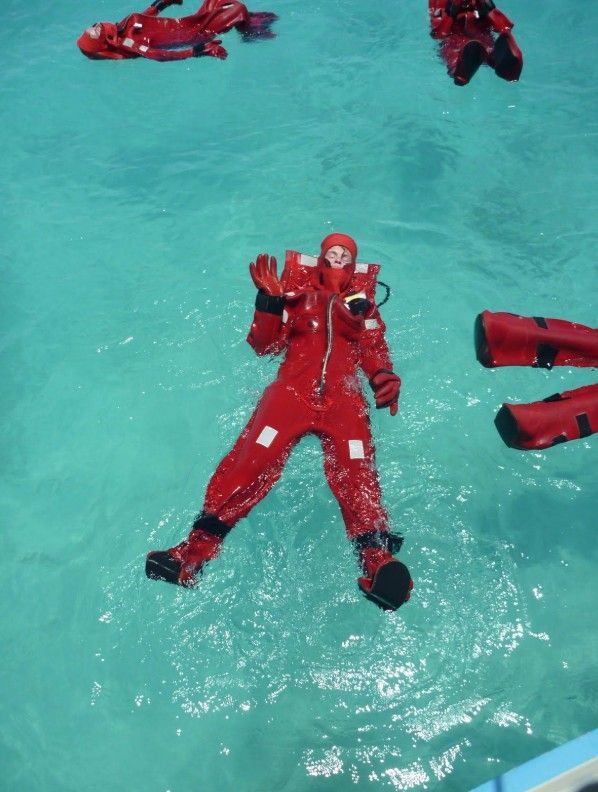
How training devices act once they are put to use depends on how many people are inside them. We usually see internal ballast placed near the lower torso to mimic the center of gravity in a person. This placement makes the model float in a position that is half upright. This kind of positioning helps crews practice how to approach in a way that is similar to real rescues.
Center of Gravity Considerations
The device becomes unstable and spins too much when the ballast is too high. On the other hand, low ballast keeps the vertical posture stable. We assess the impact on retrieval efficiency. Balanced mass lowers the torque needed to turn while lifting, making it easier to lift with davits or manual lines. These biomechanical traits affect how crews work together to place their hands and lift things.
Hydrodynamic Drag and Resistance
The more surface area and weight there is, the more water resistance there is. Heavier units sink a little deeper, which makes drag stronger. This resistance makes it look like clothes are full. We find that this factor has a significant impact on recovery time. Crews need to change the tension on the lines and the position of the vessels as needed.
In some setups, internal compartments let water in to make it look like the object is partially submerged. The dynamic mass change that happens is like what happens in real rescue situations when clothes get wet and heavy. We see these features as very important for advanced training.
Buoyancy Mechanics and Stability Patterns
The buoyancy design of a model decides how it will act in waves. A lot of the time, manufacturers put foam cores and sealed air chambers together. This hybrid structure keeps its flotation even after being used many times. We look at roll angle, drift, and recovery orientation to see how stable something is.
Surface Visibility and Orientation
High-visibility panels make it easier to see. But buoyancy must keep these markers above the water. If the model tilts too much, it becomes harder to see. So, we think that where to put buoyancy is part of the overall biomechanical design.
Drift Behavior in Wind and Current
Models that are heavier drift more slowly. This lets teachers practice situations where they have to wait for a response. Units that are lighter move faster, which is good for drills that require quick reactions. We compare the two to create different training sequences.
In some maritime kits, the way accessories fit together is similar to how fittings work in fire hose couplings. Towing lines and lifting straps can be attached to these structural connectors. Their strong design can handle repeated stress during hoisting cycles.
Retrieval Dynamics and Crew Interaction
The size and weight of the object have a big effect on how it is recovered. We can see that two-person teams can get lighter units. Block-and-tackle systems are often needed for full-scale units. This difference has an effect on how deck layouts are planned.
Manual Retrieval Techniques
When lifting by hand, crews need to work together to time things right. The way the weight is spread out affects how evenly the load moves from one hand to the other. Balanced models lessen sudden changes in load. We stress the importance of proper posture and lifting in sync to avoid getting tired.
Mechanical Assistance and Rigging
Reinforced loops are often found in heavier units. You can attach these to cranes or davits. The structural reinforcement is similar to the standards for hardware durability used in fire hose couplings, where repeated load cycles require reliable fastening integrity. These parallels show how important it is to choose the right materials for safety gear.
Storage, Transport, and Deployment Logistics
The size of a ship affects how well it can store things. You can fit compact models in lockers, but full-size units need deck mounts. We look at how foldable or modular designs help with transportation. Some models shrink for shipping and then grow when they are filled or put together.
When talking about how to allocate equipment, especially for multi-site training programs, Seaonbag often brings up how efficient transportation is. We can plan how to spread out our inventory across fleets by looking at size and weight.
Durability and Material Engineering
The materials used affect how long something lasts. Heavy-duty fabrics do not wear down when they rub against hull surfaces. Seams that are reinforced stop tearing when you lift. To keep the weight the same, the internal ballast compartments must stay closed.
We look at how repeated immersion affects how well materials work. Certain fabrics can be damaged by saltwater. Manufacturers fight this with textiles that have a coating on them. This method keeps the buoyancy properties the same throughout all training cycles.
Selecting Appropriate Size and Weight for Training Objectives
The training stage determines which model to use. We line up smaller units with introductory drills, mid-range for intermediate coordination, and full-scale for advanced simulations. Weight progression enables incremental skill development.
We also think about the type of vessel. Smaller boats might not be able to lift heavy things. In these situations, mid-range models are a good middle ground. With mechanical help, bigger ships can handle full-scale units.
Environmental conditions also play a role in selection. Heavier models can be used in calm waters. Moderate weight may help keep visibility in high-wind areas without too much drift.
Operational Data Interpretation
When we look at retrieval times, we often see clear differences between weight groups. Heavier units make recovery take longer. This change helps teachers measure how well students respond. We improve drill planning by keeping track of these metrics.
We also look at how tired the crew is. Heavier models need to be lifted in a coordinated way. Keeping an eye on this factor helps with making rotation schedules. Changes based on data make training cycles work better.
Safety Considerations During Drills
We stress-controlled deployments. The weight should be appropriate for the crew. Choosing the wrong thing can cause strain injuries. Putting ballast in a balanced way cuts down on unexpected movement. It is still important to talk clearly while lifting.
We also suggest checking before each session. To avoid problems while working, check the integrity of the attachment loops, seams, and flotation. Regular maintenance helps support reliable performance.
We can better understand how Man Overboard Training Dummies work in real-life maritime drills by looking at size categories, weight distribution, buoyancy mechanics, and retrieval dynamics. These traits affect how well the crew works together, how they lift things, and how quickly they respond. Choosing the right configuration lets us create training programs that are in line with operational goals and help us move forward.
To make your safety drills better, look at the different options at
Seaonbag and add data-driven selection criteria. We suggest that safety coordinators look at different sizes and weight options, make sure they match the capabilities of the vessel, and use structured training sequences that are like real-life rescue situations.