How to Inspect and Maintain Hatch Sealing Tapes for Longevity?
We work in conditions where a small oversight can lead to soaked cargo and costly claims. That is why we treat Hatch Sealing Tapes and sealing systems as a frontline defense rather than a minor consumable.
In our day-to-day routines, we focus on practical checks, disciplined surface preparation, and proper application methods that withstand heavy seas. At SeaOnbag, we rely on consistent onboard procedures and proven materials to keep water out and cargo dry.
Understanding the Role of Sealing Systems
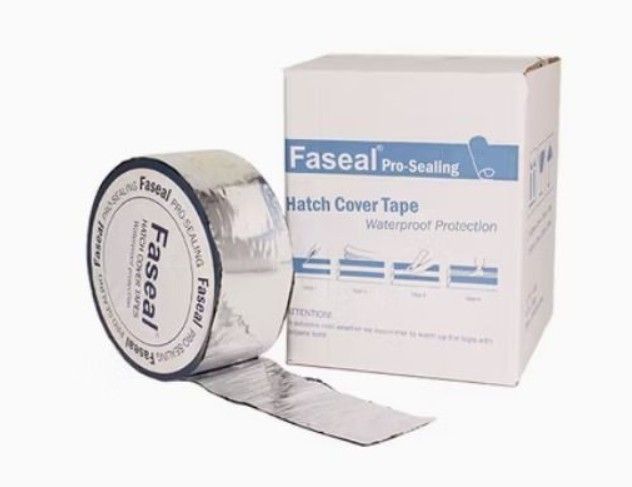
When we speak about Hatch Sealing Tapes, we refer to more than adhesive strips. We are dealing with a temporary barrier that compensates for wear in hatch covers and compression systems. These tapes bridge imperfections and resist water pressure driven by wind and waves. If we neglect them, even minor gaps can allow ingress that spreads across holds and damages goods.
We often pair Hatch Cover Tapes with Under-tapes during maintenance cycles to reinforce weak points and improve adhesion under challenging deck conditions.
Pre-Inspection Preparation
Before we begin any inspection, we properly prepare the deck surface. Salt residue, rust scale, and old adhesive are the usual culprits that reduce bonding strength. We start by cleaning the hatch top and sealing edges with approved solvents or degreasers. Mechanical cleaning may be needed where corrosion has created rough patches.
We also check for standing water. Applying Hatch Sealing Tape to damp steel rarely holds for long. We make it a rule to dry surfaces fully, although it slightly delays the process. A dry, clean base is the difference between a seal that lasts a voyage and one that fails mid-passage.
Visual Inspection of Hatch Components
Once the area is prepared, we conduct a thorough visual inspection. We look for deformation in hatch panels, uneven compression bars, and worn rubber packing. These mechanical issues often determine how well sealing materials will perform.
We pay close attention to corners and cross joints. These are common failure points where stress concentrates during vessel movement. If we notice gaps or misalignment, we mark them for reinforcement later in the process.
At SeaOnbag, we emphasize that inspection is not a glance. It is a deliberate process in which we identify weak spots before applying any sealant.
Surface Conditioning and Rust Control
After inspection, we address surface defects. Light rust can be treated with wire brushing, while heavier corrosion may require grinding. We aim for a relatively smooth surface without sharp edges that could tear the material.
We avoid leaving loose particles behind. Even small debris can compromise adhesion. After cleaning, we wipe the area again to remove dust and residue. This step is often overlooked but plays a major role in how well Hatch Sealing Tapes perform over time.
Application Technique for Reliable Sealing
Applying tape is not simply rolling it across the hatch. We maintain steady tension while laying it down to avoid wrinkles and trapped air pockets. We press firmly along its length to achieve full contact with the steel surface.
When working across joints, we carefully overlap sections. Overlaps should be consistent and pressed down thoroughly to prevent lifting under pressure. Corners receive extra attention because they are prone to peeling.
We often integrate Hatch Cover Tapes and Under-tapes in layered configurations to provide additional strength where structural wear is more severe.
Reinforcing Critical Zones
Certain areas require reinforcement beyond a single layer. Cross joints, panel edges, and compression points are typically where failures originate. In these zones, we apply additional strips to increase thickness and resistance.
We also monitor areas exposed to direct wave action. These sections endure repeated stress, so a stronger sealing approach is necessary. By reinforcing these zones, we reduce the likelihood of mid-voyage repairs.
At SeaOnbag, we have found that reinforcing critical zones upfront saves time and material in the long run.
Post-Application Checks
After the application, we conduct a final inspection. We run our hands along the tape surface to detect any loose edges or trapped air. We correct any imperfections immediately.
We also check alignment along the hatch perimeter. Misalignment can leave gaps that compromise the seal. A careful review at this stage helps us avoid issues later at sea.
Monitoring During Voyage
Our responsibility does not end once the vessel sails. We conduct periodic checks during the voyage, especially after rough weather. We look for signs of lifting, tearing, or water intrusion.
If we detect early signs of failure, we perform spot repairs using spare parts. Quick action prevents minor issues from escalating into serious cargo damage.
Removal and Replacement Practices
At the end of a voyage, we carefully remove used materials. Old adhesive residue is thoroughly cleaned before applying new layers. Reapplying old material is a shortcut that often leads to poor results.
We treat each application as a fresh start. This approach delivers consistent performance and reduces uncertainty during transit.
Environmental Considerations
Working at sea involves exposure to temperature changes, humidity, and salt. These factors affect how sealing materials perform. We store tapes under controlled conditions to prevent degradation before use.
We also avoid applying them in extreme weather whenever possible. Cold surfaces reduce adhesion, and excessive heat can soften the material too quickly.
Cost Prevention Through Routine Discipline
Cargo damage claims can be significant, and most are preventable. By maintaining strict procedures, we reduce the risk of water ingress and protect both cargo and the vessel's reputation.
At SeaOnbag, we treat sealing as a cost-control measure rather than a routine task. Proper care reduces material waste, limits rework, and supports smooth operations.
Final Perspective from the Deck
We have learned that consistency is the backbone of effective sealing practices. Every step, from cleaning to inspection to application, plays a role in the outcome. Skipping even a minor detail can lead to failure under pressure.
By following disciplined procedures and using reliable materials from trusted sources such as SeaOnbag, we maintain control over one of the most critical aspects of cargo protection. In our line of work, keeping water out is not just a task; it is a responsibility we uphold on every voyage.
Frequently Asked Questions
1. How often should we inspect hatch sealing systems during operations?
We conduct a thorough inspection before each voyage and follow up with additional checks after periods of heavy weather. Regular monitoring helps us catch early signs of lifting or damage before they turn into leakage problems.
2. What is the most common cause of sealing failure on the deck?
In our experience, poor surface preparation is the leading cause. Dirt, moisture, or rust left on the steel reduces adhesion, which allows water to pass through under pressure.
3. When should we use Hatch Cover Tapes and Under-tapes together?
We use them together in areas with visible wear, uneven surfaces, or known weak points, such as cross joints and corners. This layered approach provides added strength where a single strip may not hold.
4. Can we apply sealing materials in wet or cold conditions?
We avoid applying them on wet surfaces or in extreme cold whenever possible. Moisture and low temperatures reduce bonding strength, which shortens the working life of the material.
5. How do we know when it is time to replace sealing materials?
We replace them when we see signs of peeling, tearing, or loss of adhesion. Even if no damage is visible, we remove and renew them after each voyage to maintain consistent performance and reduce the risk of cargo damage.