How Do Hatch Cover Tapes Contribute to Overall Vessel Maintenance Costs?
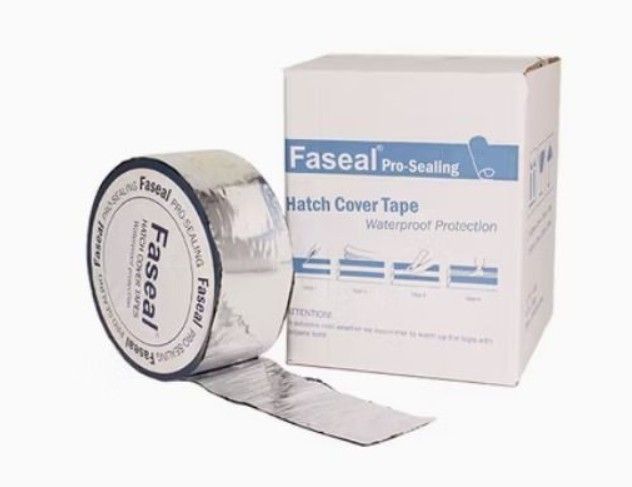
Hatch Cover Tapes are a critical, yet frequently underestimated, component in the broader framework of vessel maintenance. Hatch Cover Tapes play a direct role in sealing performance, operational reliability, and long-term cost control.
We work with shipowners and fleet managers all over the UAE and beyond at SeaOnbag, and we always see the same thing happen: procurement teams put unit cost ahead of performance specification, which has big effects on the bottom line.
This post looks at the direct and indirect costs of choosing to seal tape and explains why getting the right specification from the start is a smart financial choice, not just a technical one.
Understanding the Role of Sealing Tape in Cargo Protection
Hatch covers are the main way that bulk carriers, container ships, and general cargo ships keep water out. The sealing tape that is put on the hatch cover, compression bars, and coaming surfaces helps keep the watertight barrier in place. If that seal fails because the material breaks down, the specification is wrong, or the adhesion is not good enough, the costs go far beyond the cost of the tape itself.
If the sealing is not good enough, you could have to pay for cargo damage claims, surveyor fees, demurrage, port delays, and Class-related inspections. At SeaOnbag, we sell Hatch Cover Tapes that are made for use in maritime environments. We see firsthand how the right product makes these events happen less often and with less damage.
The True Cost Breakdown: Beyond the Purchase Price
Fleet managers who keep track of the total cost of ownership instead of just the costs of individual items know that spending on sealing tape affects many areas of the budget. The key cost drivers include:
- Cargo claim liability: Water ingress resulting from seal failure can lead to damaged bulk commodities, grain, or bagged cargo, claims that routinely run into six figures.
- Repeated resealing due to low-quality tape failure increases labor hours in port, adding to operational costs.
- Regulatory compliance: Class society surveyors inspect hatch cover sealing integrity. Tape that fails to perform can trigger hatch cover repairs or hold-on-repair notices.
- Vessel downtime: Any unplanned maintenance activity tied to hatch sealing has a direct impact on vessel availability and charter earnings.
- Insurance implications: A pattern of cargo claims linked to water ingress can affect P&I coverage terms and premiums.
Hatch Sealing Tapes: Specification Matters More Than Price
Not all Hatch Sealing Tapes are made to the same high standard. Cheap alternatives often use lower-quality adhesive formulations that break down when exposed to UV light, saltwater, and the pressure that comes with opening and closing the hatch. This leads to premature adhesive failure, tape slippage, and compromised sealing integrity, often in just one trip.
Our Hatch Sealing Tapes at SeaOnbag are made with high-tack, weather-resistant adhesive systems that keep their bond strength even when the temperature changes a lot and they are exposed to marine conditions for a long time. The technical specifications that matter most to fleet operators include:
Key Technical Performance Indicators
- Adhesion strength (measured in N/25mm): Higher values indicate stronger bonding to steel coating surfaces.
- Elongation at break: Critical for flexibility during hatch cover operation; tapes with low elongation crack and fail under mechanical stress.
- Temperature resistance range: Marine tapes must perform from subzero conditions in northern routes to tropical heat in equatorial voyages.
- Degradation from sunlight exposure is a primary cause of adhesive failure on exposed deck fittings.
- Water and moisture resistance: Sealing performance is directly correlated with how well the tape resists hydrostatic pressure at the seal interface.
Under Tapes: An Overlooked Cost Variable in Hatch Maintenance
Under-tapes are an important part of hatch sealing systems that people often forget about, but they are very important for keeping hatch covers watertight. Under tapes is a second layer of protection that goes under the main compression seal. They absorb any bumps or dips in the coaming surface and make the contact area of the main seal better.
When under-tapes are missing or not specified correctly, the main seal has to make up for surface flaws that it was not meant to fix. This speeds up compression set, shortens the life of the seal, and makes resealing operations happen more often. All of these things lead to higher maintenance costs per vessel per year. We offer under-tapes that work with all of our hatch-sealing solutions, and we suggest that you look into including them in any sealing protocol.
Why Do Cheap Alternatives Consistently Cost More in the Long Run?
The economics of cheap sealing products are simple and not good. A tape that costs 30% less than the market price may seem like a good deal when you are buying it. But if that product needs to be replaced twice during a single voyage cycle or leads to a cargo claim that brings in P&I, the net cost is many times the original savings.
We have looked at maintenance logs from fleet operators who switched from using generic sealing products to SeaOnbag's heavy-duty specifications. The lower number of reseal events and cargo-related incidents led to measurable cost savings in the first year of operation. The extra cost of a heavy-duty marine-grade tape is usually made up for in one or two incidents that are avoided.
The conclusion is always the same: the cost of protection is always less than the cost of failure. Cheap alternatives come with a lot of risk that is much higher than their price advantage, and that risk ends up on the vessel operator's balance sheet.
Reviewing Your Sealing Protocol: A Practical Next Step
It is worth doing a systematic audit if your fleet is using sealing tape specifications that have not been looked at in the last 12 to 24 months. Some important questions to ask are: Does the current tape specification match the hatch cover type and the route of operation? How often do you have to reseal between trips? Have any cargo claims in the last two years involved water getting in through hatch covers?
We suggest that fleet managers and ship owners review their current sealing procedures and think about the heavy-duty specifications that
SeaOnbag offers. Our products, such as marine-grade Hatch Cover Tapes, Hatch Sealing Tapes, and Under Tapes, are made to meet the high-performance standards that tough maritime operations need. Check out the full technical specifications on SeaOnbag and protect your bottom line with solutions that work for the long term.