What Makes Storz Brass Coupling Ideal for Firefighting Equipment?
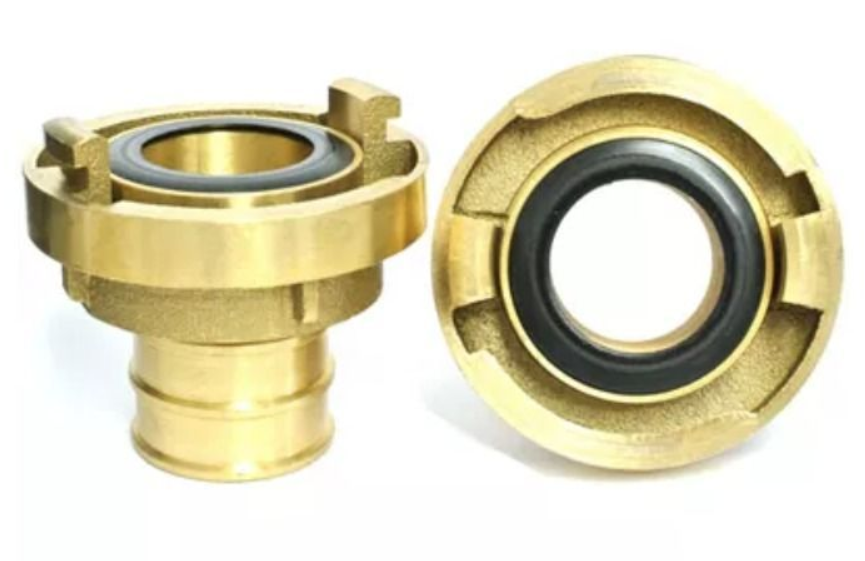
When we discuss the reliability of firefighting tools, one part stands out as a quiet but critical force behind rapid emergency response: the Storz Brass Coupling. This small yet powerful component shapes how quickly firefighters can connect hoses, move water, and control emergencies across different terrains and environments.
At Seaonbag in the United Arab Emirates, we supply precision-engineered equipment for demanding operations, and our work has shown us how vital well-designed connectors are to the safety of responders and communities. Fire teams depend on equipment that works instantly and without complication, and that is where this coupling earns its reputation.
In this article, we look at why modern firefighting systems rely on this component, what makes it structurally dependable, and how it supports emergency teams who need speed, consistency, and trust in every movement.
Why Quick, Secure Connections Matter in Firefighting
Firefighting is built around timing. Seconds decide whether a structure is saved, an incident is contained, or a rescue team accomplishes its mission. Water delivery is at the heart of this work, and connections between hoses, pumps, and hydrants create the foundation for that flow.
If connectors are slow to attach or prone to leaks, entire operations suffer.
Because of this, global fire departments have adopted coupling systems with quick-locking mechanics, allowing hose lines to form without threading, twisting, or manual alignment.
This is where the design of the Storz Brass Coupling stands apart. It delivers a connection approach that supports fast engagement, even while responders operate in low-visibility settings, harsh weather, or high-stress scenes.
The Structural Logic Behind the Design
A Symmetrical Build for Faster Action
Unlike threaded connectors, which require precise alignment, this coupling uses a symmetrical construction. That means we can attach two hose ends simply by pressing and turning them into position. This motion is smoother, quicker, and far more reliable in chaotic working conditions.
By eliminating thread slippage and cross-threading, we lower the risk of connection failure. More importantly, firefighters conserve physical energy, a key advantage during long operations.
Why Brass Remains a Trusted Material?
Although modern industries frequently lean toward lightweight alloys, firefighting equipment often prioritizes materials with stronger resistance to heat, corrosion, and harsh environments. Brass delivers exactly that, making it ideal for couplings exposed to chemicals, seawater, and extreme outdoor temperatures.
We rely on brass for its ability to remain stable during pressure surges. It does not deform easily when exposed to sudden temperature changes, which protects the integrity of hose lines during high-volume water flow.
Because fire hose fittings endure impact, abrasion, and drops during movement, the density of brass provides a reliable advantage. The aim is simple: reduce risk and keep water lines stable while teams work under pressure.
Performance Benefits That Support Fire Teams
Faster Deployment in High-Risk Environments
When a team arrives on scene, speed determines control. A coupling that locks instantly allows responders to set up large hose networks in moments. We see this benefit in wildfire zones, industrial sites, marine hazards, and dense urban areas.
The advantage becomes even more apparent during nighttime operations, where visibility is low. The symmetrical lock pattern is easy to operate by touch alone, reducing delays caused by disorientation.
A Leak-Resistant Seal
Fire hoses power large volumes of water at high pressure. Even a small leak can disrupt flow patterns and weaken firefighting precision.
This coupling design creates a tight, reliable seal, supporting continuous pressure and stable water movement. Fire crews can shift hoses rapidly without worrying that a misalignment will interrupt performance.
Compatibility Across Departments and Regions
One reason this connector has gained global traction is its cross-operational compatibility. Since it does not rely on thread matching, departments using different hose types or manufacturers can still connect equipment.
Mutual aid teams, those supporting neighboring regions during major disasters, often depend on this compatibility to maintain unified water flow systems.
Applications Beyond Standard Fire Hoses
Industrial and Marine Fire Control
Ports, offshore structures, and chemical facilities depend on equipment that withstands corrosive environments. Brass components remain dependable in these conditions, making this coupling a practical choice for both land-based and marine firefighting setups.
Emergency Response Equipment
While hoses are the most obvious application, we also see this coupling integrated into tanker systems, water pumps, and firefighting monitors. Any tool responsible for delivering high-volume water flow benefits from the simplicity and strength of this connection.
Support Equipment: Stretchers and Binoculars
Emergency teams rely on mobility and visibility. Products like Stretchers and Binoculars complement the work accomplished by hose systems. Stretchers help responders carry injured individuals quickly, while binoculars support visual scanning across long distances, especially during wildfires, remote search operations, and nighttime conditions.
Although their functions differ from those couplings, they work together as a collective network. Firefighting depends not on a single tool but on a unified system where each asset contributes to a faster, safer response.
What Sets Our Approach Apart?
At Seaonbag, we prioritize materials and designs that serve high-demand environments. Our selection of firefighting components reflects a commitment to durability, dependability, and real-world performance supported by industry needs.
We supply equipment meant for professionals who depend on precision in urgent, unpredictable conditions. With this in mind, we focus on:
- Strong heat-resistant materials
- Reliable locking systems
- Products compatible with global equipment standards
- Long-lasting value for departments looking to upgrade existing tools
Our customers include emergency teams, industrial operators, and organizations prioritizing fast action and readiness.
Why Do Fire Departments Continue Choosing This System?
Reliability During Heavy Water Flow
The moment water pressure increases, the strength of the connector is tested. Because brass resists deformation and the locking design spreads pressure evenly, teams gain dependable performance throughout the mission.
Safer Handling During Urgent Response
Firefighters operate in difficult environments: smoke-filled structures, unstable ground, and high-heat zones. Equipment that functions with minimal physical effort reduces overall fatigue, helping responders stay focused and safe.
Simplified Hose Management
When multiple hoses run simultaneously, simpler connectors streamline movement. Responders can detach and reattach lines quickly while redirecting water where it is most needed.
Growing Demand: Why Industries Are Paying More Attention
As global climate conditions shift, large-scale fires have become more frequent across urban, rural, and industrial regions. This has increased demand for better water-delivery components, and couplings that offer fast action and dependable structure naturally rise in importance.
Departments also look for equipment that integrates smoothly with international aid systems, especially when responding to widespread disasters.
We have also seen rising interest from municipalities investing in long-term infrastructure upgrades. They want products capable of performing during crises without frequent replacement cycles.
Why This Component Remains a Cornerstone?
After years of supplying gear for emergency response, we have seen the difference that well-designed couplings make in real-world situations. The Storz Brass Coupling continues to be one of the most trusted components in firefighting because it offers speed, strength, and dependable construction, qualities that teams need when every second counts.
Its material stability, quick-locking mechanics, and leak-resistant seal highlight why this design remains a standard across modern firefighting systems.
If you are equipping fire teams, industrial facilities, or emergency response units, we invite you to choose connectors that support performance when the stakes are high. Visit Seaonbag today to browse our selection of premium firefighting products built for real-world durability and dependable field operation.