Water Training Dummy: How Does It Improve Safety in Lifesaving and Rescue Drills?
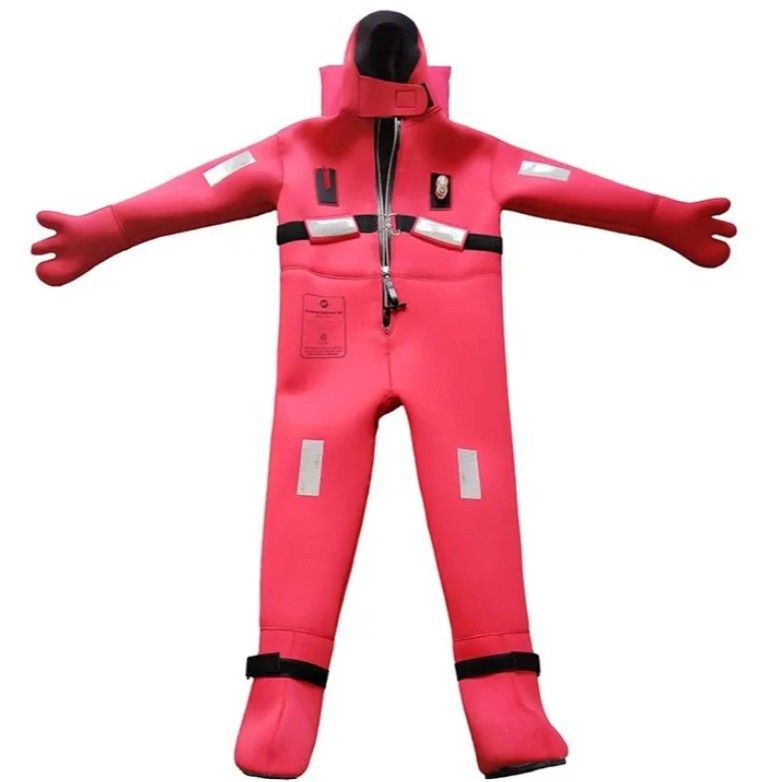
Water training dummy programs play a critical role in how we prepare responders for realistic rescue situations without placing real people at risk. Water training dummy use reflects our perspective as water-safety training and rescue-equipment specialists, where simulated tools allow teams to practice essential skills under controlled conditions while maintaining professional training standards.
Structured rescue preparation is still a top priority in the United Arab Emirates and other areas with active marine, pool, and coastal environments. Instead of depending on erratic real-life situations, organizations like Seaonbag frequently stress preparedness through systematic drills.
Understanding the Role of Simulated Victims
Responders can practice techniques that would be dangerous to repeatedly practice with volunteers in rescue education by using simulated victims. Teams can better understand how bodies behave during rescues by using a water training dummy that mimics human weight distribution, buoyancy, and resistance.
We use simulated victims to practice:
- Approaching an unresponsive subject
- Managing body positioning during contact
- Applying safe lifting and towing mechanics
These exercises provide a consistent training environment while fostering familiarity with real-world difficulties.
Reducing Risk During Practice Scenarios
There are risks associated with live-subject drills, particularly when performing repetitive lifting or towing exercises. Using controlled training aids during instruction lessens strain and lowers the risk of injury.
A water training dummy allows us to:
- Repeat drills multiple times without fatigue concerns
- Control training intensity across skill levels
- Maintain consistent conditions for assessment
Instructors can concentrate on improving posture, grip, and coordination instead of overseeing participant safety by reducing erratic movement.
Comparing Live-Subject and Dummy-Based Drills
Although they bring variability, live volunteers offer insightful input. Results from drills may be impacted by weariness, panic attacks, or irregular movement. These variables are eliminated in dummy-based exercises.
Key differences include:
- Predictability: Simulated tools behave consistently
- Load management: Weight remains stable across repetitions
- Focus: Trainees concentrate on technique rather than subject comfort
Consistent loads facilitate better team coordination during advanced drills that use rescue platforms or pumping equipment that is connected to Storz Brass Coupling systems.
Skill Development Through Repetition
Rescue proficiency grows with practice. Repeated practice is supported by controlled tools without sacrificing accuracy or safety.
We commonly train:
- Vertical and horizontal lifting techniques
- Towing methods across short and long distances
- Recovery positioning onto decks or pool edges
While enabling instructors to pause drills for correction without interfering, a water training dummy promotes the development of muscle memory.
Training Across Different Environments
At Seaonbag, Diverse environments are taken into consideration when preparing for a rescue. Victims in the simulation are able to adjust to a variety of settings and circumstances.
Common use cases include:
- Pools: Ideal for foundational instruction and assessment
- Open water: Useful for current and visibility simulations
- Professional facilities: Integrated into advanced emergency programs
Rescue drills sometimes correspond with fire hose coupling equipment handling exercises, which aid teams in coordinating between emergency response and water recovery systems.
Improving Coordination and Situational Awareness
Sometimes, traditional drills concentrate only on specific skills. Because structured simulations necessitate cooperation and communication, they increase awareness.
We observe improvements in:
- Role assignment during rescues
- Verbal coordination under pressure
- Awareness of surrounding hazards
Trainees gain the ability to handle rescue and support duties concurrently when combined with equipment handling skills, such as hose deployment using Fire Hose Couplings.
Addressing Limitations of Traditional Training Methods
Consistency is often lacking in unstructured practice. Learning can be disrupted by changes in the environment, participant fatigue, or a shortage of volunteers.
A water training dummy addresses these challenges by offering:
- Reliable training availability
- Measurable performance standards
- Reduced dependency on live participants
Teams are exposed to realistic operational workflows without needless complexity when drills include interfaces for rescue equipment, such as Storz Brass Coupling assemblies.
Supporting Professional Training Standards
Drills that simulate operational demands without raising training risk are valued by professional rescue organizations. Compliance with internal procedures and educational standards is reinforced by simulated victims.
We integrate these tools to:
- Standardize training assessments
- Support instructor-led correction
- Maintain consistent drill outcomes
This method is in line with professional training standards in places like the United Arab Emirates, where emergency response education continues to emphasize readiness and procedural clarity.
Practical Takeaway
At
Seaonbag, Effective lifesaving instruction depends on preparation, controlled practice, and thoughtful drill planning. Simulated victims allow teams to rehearse complex rescue actions, refine coordination, and strengthen decision-making without unnecessary exposure to risk. By focusing on repeatable scenarios and clear instructional goals, you create training environments that support skill development and professional readiness over time.