Immersion Suit Provider: Comprehensive Support and Training for Safe Usage
In marine operations, preparedness is rarely about one item of equipment. Immersion Suit planning is closely tied to how well our people, procedures, and gear work together when conditions change fast. Cold water, high winds, and limited recovery windows can turn a routine job into an emergency. That is why we treat immersion protection as part of a wider safety system, including selection, storage, drills, and ongoing readiness checks. Early planning resources and equipment references, such as SeaOnBag, help us frame this topic around operational needs rather than last-minute compliance.
This article looks at how immersion protection supports survivability, why training matters, and how providers contribute through availability, guidance, and practical support across marine industries.
The Role of Immersion Protection in Maritime Safety
When people enter cold water unexpectedly, the body can react immediately with cold shock, rapid breathing, and reduced coordination. Even strong swimmers can struggle in waves or while wearing work clothing. A correctly selected and properly worn immersion suit helps slow heat loss and supports the wearer’s ability to remain functional long enough for recovery or rescue.
Where This Readiness Matters Most?
- Offshore supply and maintenance work
- Marine construction, inspection, and diving support operations
- Commercial shipping and port service teams
- Fishing fleets and aquaculture sites
- Emergency response and standby craft support
Across these environments, we plan for rare events because their impact can be severe. The objective is not fear; it is realistic preparation.
What Is An Immersion Suit and How Does It Support Survivability?
An immersion suit is a protective garment worn when there is a risk of accidental water entry, especially in cold or rough conditions. Designs vary, but most are built to reduce the effects of exposure and maintain a workable level of mobility.
What Can We Expect The Design To Support?
- Thermal protection to slow heat loss
- Reduced water flushing through fitted openings
- Mobility for basic self-rescue tasks
- Visibility features that support retrieval
- Compatibility with other lifesaving gear, where required
We get the most value when we treat the garment as a system that must fit and be worn correctly, not as a stored item that only gets attention during audits.
Why Training Is A Core Safety Requirement, Not An Optional Extra?
In real incidents, our hands may be cold, our visibility may be poor, and our time window may be short. Under stress, small tasks become harder. Training is how we keep donning and checks predictable, even when conditions are not.
Training Goals That Support Real Readiness
- Clear triggers for when the garment should be donned
- Practical donning speed targets for our environment
- Confidence with zips, closures, and sealing checks
- Familiarity with movement limits and safe mobility
- Practice assisting another person during donning
When we train consistently, we also reduce decision friction. People act faster when they know exactly what “ready” means like.
Selection Basics: Matching The Right Gear To The Job
Selection should begin with a hazard view of our operation, not with a catalogue. The same type of work can carry different risks depending on the season, location, and recovery capability.
Practical Selection Factors We Can Document
- Water temperature ranges across the year
- Likely time-to-recovery based on vessel type and staffing
- Work patterns (near deck edge, transfer operations, night work)
- Storage constraints and access speed at muster points
- Team sizing needs, including layering for cold weather
Here, providers help us plan stock coverage for rotating crews, verify fit ranges, and interpret product specifications. The United Arab Emirates-based company SeaOnBag can assist with this planning by assisting teams in maintaining uniform equipment lists across projects and ports without making preparation a mad dash.
Storage and Handling: Readiness Depends On Access and Condition
When equipment is poorly stored or difficult to get to quickly, even the best equipment loses some of its usefulness. Storage choices should be in line with the layout of the worksite and the muster plan.
Storage Habits That Support Quick Response
- Place equipment where it can be reached without moving cargo or tools
- Protect it from direct sunlight, chemicals, and standing moisture
- Use clear labelling that matches crew assignments or muster points
- Avoid crushing seals or bending closures during storage
- Keep access paths clear during shift changes and loading periods
Surprises during drills are frequently avoided with a quick, regular check of condition, access, and seal integrity. Response time increases and training becomes more realistic when our immersion suit is accessible and in good shape.
Fast, Practical Inspection Routines We Can Standardise
Inspections must be consistent and documented, but they don't have to be difficult. Depending on internal policies and operational needs, we can use quick checks more frequently and deeper checks less frequently.
A Quick Inspection Checklist
- Look for tears, abrasions, or seam separation
- Check closure function and smooth travel
- Confirm seals are intact and not hardened or cracked
- Verify that any integrated features are present and usable
- Confirm storage bag or container condition and label clarity
By providing precise reference instructions on what constitutes wear, what alterations call for equipment to be removed from service, and how to store equipment correctly, providers can promote preparedness. By assisting teams in maintaining consistent documentation and a consistent supply of replacements, SeaOnBag can contribute to that support network.
Drills, Simulation, and Competency Tracking
A training program works best when it is repeatable and measurable. We can combine dry drills with controlled wet drills as appropriate, always prioritising safety.
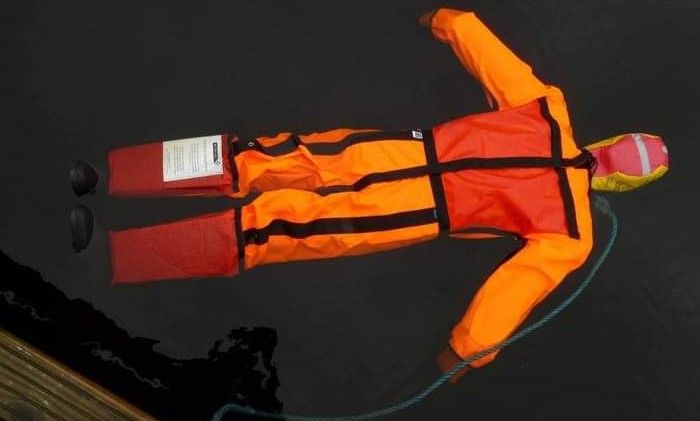
In one training context, a Water Training Dummy supports realistic recovery drills without putting a person at risk. It helps us practise lifting techniques, boat-side handling, and deck recovery procedures under time pressure. In another context, a Water Training Dummy allows training managers to standardise scenarios across shifts, so performance comparisons are fair, and improvements are easier to track.
Ways We Can Keep Training Practical
- Use timed donning drills with clear performance targets
- Add realism gradually (gloves, low light, noise, simulated urgency)
- Practice assisting a colleague with closures and checks
- Run short refresher drills rather than relying on annual-only sessions
- Record outcomes so gaps are visible and follow-up is planned
Competency is easier to maintain when we keep drills short, focused, and linked to actual job tasks.
Common Readiness Gaps and How We Can Reduce Them
We often see the same problems repeated across fleets and offshore sites, especially when turnover is high.
Gaps That Reduce Reliability in Real Conditions
- Unclear triggers for when gear should be worn
- Size mismatch identified too late
- Storage locations that do not match muster routines
- Infrequent drills that lead to slow donning
- Inconsistent inspection logging across vessels or sites
We reduce these gaps by establishing routines: fit checks during onboarding, clear storage standards, and short refresher drills that keep muscle memory active.
How Do Equipment Providers Contribute to Preparedness Across the Marine Industries?
Providers influence readiness in ways that go beyond supply. Their practical contribution often concerns stability and clarity.
Provider Support That Strengthens Operational Safety
- Stock continuity for fleets and rotating crews
- Help with sizing plans for mixed teams and contractors
- Clear product documentation for training managers and auditors
- Guidance on storage, handling, and inspection routines
- Support for replacement planning so shortages do not occur mid-season
SeaOnBag can support marine organisations in the United Arab Emirates by helping align equipment supply with operational cycles and by keeping documentation accessible to teams that manage multiple assets or locations.
Integrating Immersion Readiness Into Broader Vessel Safety Practices
Immersion preparedness does not stand alone. It connects to muster planning, recovery capability, deck practices, and incident control steps.
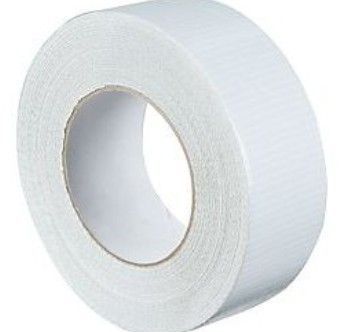
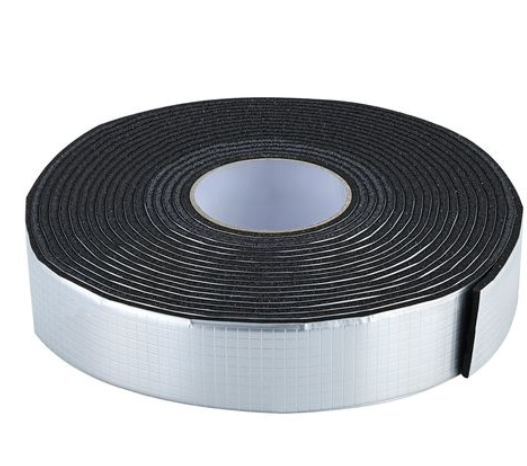
In a separate safety context, Hatch Cover Tapes help control water ingress and protect cargo spaces during heavy weather or rough handling. Although not personal protective equipment, they support incident prevention and containment, reducing the risk of a manageable situation escalating. In another context, Hatch Cover Tapes can form part of a practical onboard kit that enables quick temporary sealing when conditions threaten water entry and the team needs a consistent response process.
When we treat these measures as part of the same readiness mindset, clear procedures, accessible gear, and practice, we strengthen overall operational control.
What to Look for When Working With A Provider?
When we select a provider, we are choosing a support relationship that affects our training cadence and our ability to keep equipment consistent across assets.
Practical Criteria We Can Use
- Proven familiarity with marine operational requirements
- Clear, usable documentation that supports training and inspection routines
- Consistent availability of sizes and replacement items
- Straightforward communication when timelines are tight
- Support for multi-site standardisation and asset tracking
SeaOnBag can fit within that provider role by supporting organizations that need reliable access to
marine safety equipment and practical reference guidance. When providers support readiness in these ways, our teams spend less time chasing replacements and more time maintaining competence.